
Indesit Washer Dryer Instruction Manual: An Overview
Indesit Washer Dryer Instruction Manuals offer comprehensive guidance for installation, operation, and maintenance, ensuring optimal appliance performance and longevity for all models․
These manuals detail safety precautions, program selections, and troubleshooting steps, empowering users to efficiently manage their laundry needs with confidence and ease․
Understanding the diverse washing and drying cycles, alongside proper detergent usage, is key to maximizing the appliance’s capabilities, as outlined within these resources․
Welcome to the world of Indesit laundry care! Your new Indesit Washer Dryer represents a blend of innovative technology and user-friendly design, created to simplify your laundry routine․ This appliance is engineered to deliver exceptional cleaning and drying performance, all within a single, convenient unit․
Before you begin, take a moment to familiarize yourself with the features and capabilities of your specific model․ Indesit offers a range of washer dryers, from compact models ideal for smaller spaces to larger capacity machines designed for family-sized loads․ Each model boasts specialized programs tailored to various fabric types, ensuring gentle yet effective care for your clothes․
This instruction manual serves as your guide to unlocking the full potential of your appliance․ It provides detailed instructions on installation, operation, maintenance, and troubleshooting, empowering you to achieve optimal results with every wash and dry cycle․ Please read this manual carefully before using your Indesit Washer Dryer to ensure safe and efficient operation, maximizing its lifespan and performance․
Safety Precautions
Prioritizing safety is paramount when operating your Indesit Washer Dryer․ Always ensure the appliance is properly installed and grounded by a qualified technician, adhering to local electrical regulations․ Never operate the appliance if the power cord or plug is damaged; contact authorized service personnel for repair or replacement․
Keep children and pets away from the washer dryer during operation․ The drum can reach high temperatures during drying cycles, posing a burn risk․ Do not open the door while the machine is running․ Avoid placing flammable materials near the appliance, and never use flammable liquids for cleaning․
Before cleaning or performing maintenance, always disconnect the appliance from the power supply․ Do not attempt to repair the appliance yourself; contact authorized service personnel for assistance․ Regularly inspect the water inlet and drain hoses for leaks or damage․ Following these precautions will ensure safe and reliable operation of your Indesit Washer Dryer․

Installation Guide
Proper installation of your Indesit Washer Dryer involves unpacking, connecting water and electrical supplies, and ensuring the appliance is level for optimal performance․
Unpacking and Initial Inspection
Carefully unpack your new Indesit Washer Dryer, removing all packaging materials, including transit bolts – these are crucial for safe transport and must be removed before operation!
Inspect the appliance thoroughly for any visible damage incurred during shipping, such as dents, scratches, or broken parts; document any issues immediately with photographs․
Verify that all included accessories, like the water inlet hose, drain hose, and any relevant documentation (user manual, warranty card), are present and accounted for․
Retain the original packaging for a limited period, as it may be required for warranty claims or potential returns; ensure the appliance is placed on a stable, level surface․
Familiarize yourself with the appliance’s exterior components and control panel before proceeding with the connection of utilities, ensuring a smooth installation process․
Connecting Water Supply
Before connecting the water supply, ensure the tap is fully closed and the appliance is disconnected from the electrical outlet for safety precautions․ Attach the provided water inlet hose to the appliance’s inlet valve, tightening securely by hand – avoid using tools․
Connect the other end of the hose to a cold water tap with a ¾ inch thread; use a new seal or washer to prevent leaks and ensure a watertight connection․ Check for kinks or obstructions in the hose․
Slowly open the water tap, inspecting the connection points for any signs of leakage; tighten further if necessary, but avoid over-tightening which could damage the valve or hose․
Periodically inspect the water inlet hose for cracks, bulges, or wear and tear, replacing it if any damage is detected to prevent potential water damage or appliance malfunction․
Proper water connection is vital for optimal washing performance and longevity of your Indesit Washer Dryer, so double-check all connections before first use․
Electrical Connection Requirements
Prior to electrical connection, verify your household voltage matches the appliance’s specified voltage, indicated on the rating plate typically located on the rear of the machine․ Indesit Washer Dryers generally require a 220-240V AC, 50Hz power supply․
The appliance must be earthed for safety; never use extension cords or adapters as they can pose a fire hazard․ A dedicated, properly earthed socket is recommended, complying with local electrical regulations․
Ensure the electrical circuit is adequately rated to handle the appliance’s power consumption, typically between 1500-2300W․ Do not connect other high-power appliances to the same circuit․
If you are unsure about the electrical installation, consult a qualified electrician to ensure a safe and compliant connection․ Incorrect wiring can lead to damage or electric shock․
Always disconnect the appliance from the power supply before cleaning or performing any maintenance to prevent accidental electrical hazards․
Leveling the Appliance
Proper leveling is crucial for stable and quiet operation of your Indesit Washer Dryer․ Begin by placing the appliance on a firm, level floor; uneven surfaces can cause excessive vibration and noise during operation․
Utilize a spirit level to check the appliance’s stability․ Adjust the adjustable feet, located at the bottom corners of the machine, by rotating them clockwise or counterclockwise․
Continue adjusting the feet until the appliance is perfectly level in both directions – front to back and side to side․ Ensure all feet are firmly in contact with the floor․
Once leveled, tighten the locking nuts on the adjustable feet to prevent accidental movement․ Re-check the leveling periodically, especially after moving the appliance․
A correctly leveled appliance minimizes vibration, reduces wear and tear, and ensures optimal washing and drying performance, extending the lifespan of your machine․

Operating Instructions
Indesit Washer Dryer operation involves understanding the control panel, selecting appropriate washing and drying programs, and utilizing detergent effectively for optimal results․
Control Panel Explained
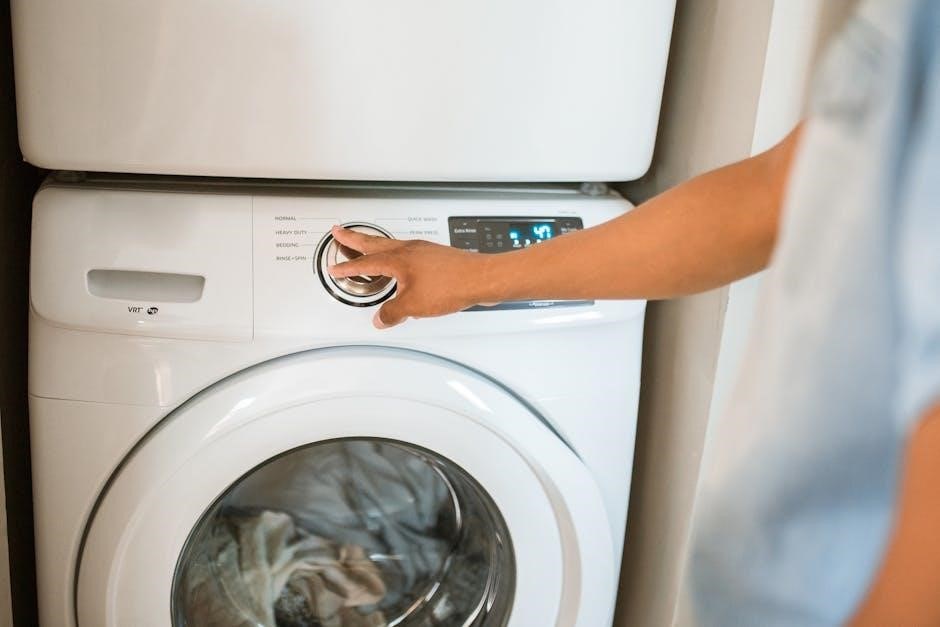
The Indesit Washer Dryer control panel is designed for intuitive operation, featuring a display screen and various buttons or a dial to select desired functions․ Manuals detail each control’s purpose, including program selection, temperature adjustment, spin speed control, and delay start options․
Buttons typically include start/pause, program selection (cotton, synthetics, delicates, etc․), and additional features like quick wash or extra rinse․ The display screen provides information on cycle progress, remaining time, and any error codes․ Understanding the symbols and indicators is crucial for effective use․
Some models incorporate digital displays with more advanced settings, allowing for customized wash and dry cycles․ Refer to your specific model’s manual for a detailed explanation of its control panel layout and functionality, ensuring you can fully utilize all available features․
Washing Programs – A Detailed Look
Indesit Washer Dryers offer a diverse range of washing programs tailored to different fabric types and laundry needs․ Common programs include Cotton, for durable everyday items; Synthetics, suitable for blended fabrics; and Delicates, for lingerie and sensitive materials․
Many models feature specialized cycles like Wool, Hand Wash, and Quick Wash, providing convenience and fabric care․ The manual details each program’s temperature, spin speed, and wash duration․ Understanding these settings ensures optimal cleaning and prevents damage․
Some models include Eco programs for energy-efficient washing, and Anti-Allergy cycles to remove allergens․ Always consult your manual to determine the appropriate program for your laundry load, maximizing cleaning performance and extending garment lifespan․
Detergent and Fabric Softener Usage

Indesit Washer Dryers require appropriate detergent and fabric softener for optimal cleaning and fabric care․ Always use detergents specifically designed for washing machines, following the manufacturer’s dosage recommendations based on load size and water hardness․
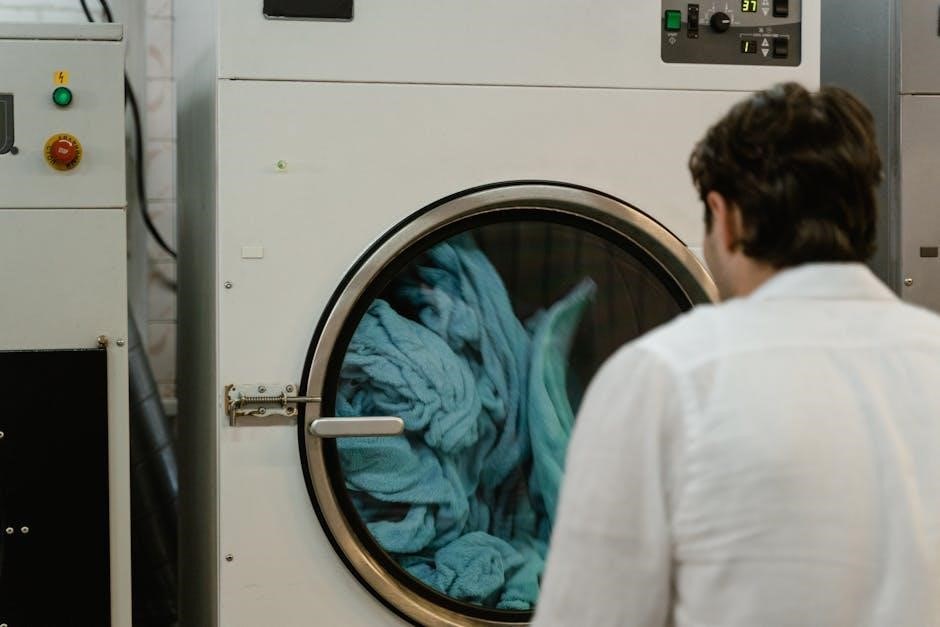
The manual details the location of the detergent dispenser drawer, typically divided into compartments for pre-wash detergent, main wash detergent, and fabric softener․ Avoid overfilling, as this can lead to residue and reduced performance․
Liquid detergents, powders, and pods are generally compatible, but consult your manual for specific guidance․ Fabric softener should be added to the designated compartment to enhance softness and reduce static cling․ Proper usage ensures clean, fresh laundry and prolongs appliance life․
Drying Programs – Understanding the Options
Indesit Washer Dryers offer a variety of drying programs to cater to different fabric types and desired dryness levels․ The manual explains each program, including options like ‘Cotton’, ‘Synthetics’, ‘Delicates’, and ‘Iron Dry’․
‘Cotton’ is ideal for robust items, while ‘Synthetics’ suits less durable fabrics․ ‘Delicates’ provides gentle drying for sensitive materials, and ‘Iron Dry’ leaves clothes slightly damp for easier ironing․ Time-based drying programs allow you to set a specific drying duration․
Sensor drying programs automatically detect moisture levels, preventing over-drying and saving energy․ Understanding these options ensures optimal drying results and protects your garments․ Always check garment care labels before selecting a drying program․

Maintenance and Cleaning
Regular Indesit Washer Dryer maintenance, detailed in the manual, includes drum cleaning, filter checks, and door seal upkeep for optimal performance․
Consistent cleaning prevents buildup and ensures longevity, maintaining efficiency and hygiene within your appliance․
Cleaning the Drum
Indesit manuals emphasize regular drum cleaning to maintain hygiene and prevent unpleasant odors within your washer dryer․ Over time, detergent residue, fabric softener, and mineral deposits can accumulate, impacting wash performance and potentially harboring bacteria․
To clean the drum effectively, it is recommended to run a high-temperature wash cycle – typically 90°C (194°F) – with an empty machine․ Add a specialized washer cleaner, or a cup of white vinegar, directly into the drum․
Avoid using harsh abrasive cleaners, as these can damage the drum’s surface․ After the cycle completes, wipe down the drum interior with a clean, damp cloth to remove any remaining residue․ For optimal results, repeat this process every one to three months, depending on usage frequency․ Consistent drum cleaning contributes to the longevity and efficiency of your Indesit appliance․
Filter Cleaning Procedures
Indesit washer dryer manuals highlight the critical importance of regularly cleaning the filters to ensure optimal performance and prevent operational issues․ Typically, there are two main filters: a pump filter and a fluff filter․
The pump filter, located at the front of the machine (often behind a small access panel), traps lint, coins, and other small objects․ Before cleaning, disconnect the appliance from the power supply․ Place a shallow container beneath the access panel to catch any residual water․ Carefully unscrew and remove the filter, cleaning it thoroughly under running water․
The fluff filter, usually found inside the dryer compartment, should be cleaned after each drying cycle․ Remove the filter and gently remove the accumulated lint․ A clogged filter restricts airflow, increasing drying time and potentially posing a fire hazard․ Refer to your specific model’s manual for precise filter locations and cleaning instructions․
Maintaining the Door Seal
Indesit washer dryer instruction manuals emphasize the significance of regularly inspecting and maintaining the door seal to prevent leaks and ensure efficient operation․ The door seal, a rubber gasket around the door opening, creates a watertight closure during wash and dry cycles․
Periodically wipe the seal with a damp cloth to remove any detergent residue, fabric softener, or debris․ Inspect for cracks, tears, or signs of mold growth․ A damaged seal compromises the machine’s ability to retain water, leading to leaks and potential water damage․
Leave the door slightly ajar after each use to allow the seal to dry and prevent mildew formation․ If mold is present, clean it with a mild bleach solution (following manual guidelines) and ensure thorough rinsing․ Replacing a damaged seal is crucial; consult your model’s manual or a qualified technician․

Troubleshooting Common Issues
Indesit manuals provide solutions for frequent problems like error codes, drainage issues, and leaks, guiding users through diagnostics and simple fixes effectively․
Understanding error messages and addressing common malfunctions ensures optimal appliance performance and prevents escalating repair costs, as detailed in the guide․
Error Codes and Their Meanings
Indesit washer dryer error codes are crucial indicators of potential appliance malfunctions, detailed extensively within your instruction manual for swift diagnosis․
A common code, “F01,” often signals a water supply issue, requiring verification of the water inlet hose and tap functionality; conversely, “F02” typically indicates a drainage problem, necessitating a check of the drain hose for obstructions․
“E03” frequently points to a heating element failure during the drying cycle, while “E04” suggests a temperature sensor malfunction, potentially impacting drying performance․
The manual provides a comprehensive list, explaining each code’s specific meaning and offering recommended troubleshooting steps, ranging from simple resets to contacting qualified service personnel․
Ignoring these codes can lead to further damage, so prompt attention and adherence to the manual’s guidance are essential for maintaining your appliance’s operational integrity․
Dealing with Drainage Problems
Indesit washer dryer drainage issues are common, often stemming from blocked drain hoses or a clogged pump filter, addressed thoroughly in your instruction manual․
First, ensure the drain hose isn’t kinked or positioned too high, restricting water flow; next, locate and carefully clean the pump filter, typically accessible behind a small access panel․
Before opening the filter, place towels to absorb any residual water, and remember to have a shallow container nearby to catch any debris removed․
If the blockage persists, inspect the drain pump itself for obstructions, but always disconnect the appliance from the power supply before attempting any internal repairs․
The manual emphasizes regular filter cleaning to prevent future issues, ensuring efficient water removal and optimal appliance performance, avoiding potential damage․
Addressing Leaks
Indesit washer dryer leaks require immediate attention; your instruction manual provides guidance for identifying and resolving common causes, prioritizing safety․
Begin by checking the water inlet and drain hoses for cracks or loose connections, tightening them securely or replacing damaged components as needed․
Inspect the door seal for wear and tear, ensuring it creates a watertight closure; a damaged seal must be replaced to prevent leaks during operation․
Leaks from the detergent dispenser may indicate overfilling or a blockage; clean the dispenser thoroughly and avoid exceeding the recommended detergent levels․
If the leak originates from within the appliance, immediately disconnect the power supply and contact a qualified technician for professional assistance, referencing your manual’s warranty information․

Model Specific Information
Indesit washer dryer manuals offer detailed features and specifications for each model, aiding informed decisions and optimal appliance utilization․
Accessing the correct manual ensures users understand their specific appliance’s capabilities, maximizing performance and troubleshooting effectively․
Identifying Your Indesit Model
Accurately identifying your Indesit washer dryer model is crucial for accessing the correct instruction manual and support resources․ The model number is typically found on a sticker located on the appliance itself․
Common locations include the inside of the door, around the washer dryer drum opening, or on the rear panel – you may need to carefully move the appliance to view the rear․
The model number is a combination of letters and numbers, providing a unique identifier for your specific appliance configuration․ Record this number carefully, as it will be required when searching for manuals online or contacting Indesit customer support․
Without the correct model number, you may receive inaccurate information or manuals that do not apply to your appliance, potentially leading to incorrect operation or maintenance procedures․
Referencing the product label ensures you have the precise details needed for optimal appliance care and performance․
Accessing Specific Model Manuals
Once you’ve identified your Indesit washer dryer model, accessing the corresponding instruction manual is straightforward․ The Indesit website offers a dedicated support section where you can enter your model number to download the correct manual in PDF format․
Alternatively, numerous online resources archive appliance manuals, providing a convenient way to find the documentation you need․ Searching online using your full model number will yield the most accurate results․
These manuals contain detailed information on all aspects of your appliance, from installation and operation to maintenance and troubleshooting․
Downloading the manual allows you to have it readily available for reference whenever you need it, ensuring you can always operate and maintain your Indesit washer dryer effectively․
Keep a digital copy for easy access and consider printing a physical copy for quick reference during maintenance tasks․