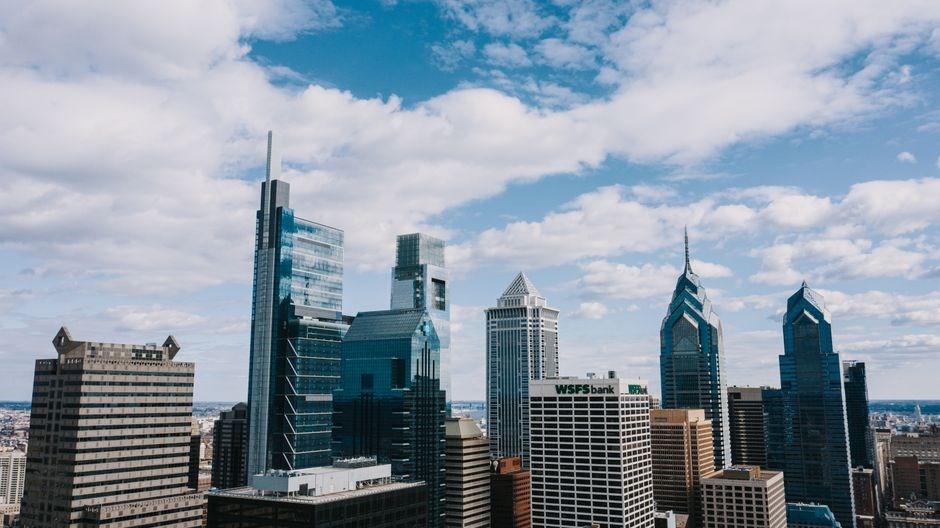
Philadelphia Walking Tour Map PDF Overview
The Philadelphia Walking Tour Map PDF, released by The Philadelphia Inquirer, offers a printable, interactive guide covering historic streets landmarks, and cultural sites. Users can download the PDF, explore self‑guided routes, and access audio‑enhanced directions. Download from the site. Now.
Key Features of the PDF Map
The PDF map delivers a richly detailed, color‑coded guide that highlights Philadelphia’s most iconic streets, historic districts, and cultural landmarks. Each route is clearly marked with numbered stops and descriptive icons, allowing walkers to follow a logical sequence or skip ahead as desired. The map includes a legend explaining symbols for museums, theaters, parks, and historic homes, ensuring that even first‑time visitors can quickly identify points of interest. In addition, the PDF offers a built‑in search function that lets users locate specific addresses or attractions by typing a name or zip code. The layout is optimized for both screen viewing and paper printing, with high‑resolution graphics that remain sharp at 300 dpi. Users can zoom in on neighborhoods to see street‑level details while still maintaining an overview of the entire city. The design incorporates accessibility features such as high‑contrast colors and large, legible fonts, making it usable for people with visual impairments. Each route includes estimated walking times, distance markers, and optional audio‑guide links that can be accessed via QR codes embedded in the PDF. The map also highlights seasonal events and temporary exhibitions, updating the itinerary to reflect current happenings. Finally, the file size stays under 5 MB, ensuring quick download and easy sharing via email or social media. Whether you’re planning a leisurely stroll or a focused historical tour, the PDF map provides an intuitive, all‑in‑one resource for exploring Philadelphia on foot. Layering options let users toggle between historic overlays, current street maps, and transit routes, enhancing research and tour planning. Enjoy!!!!!
How to Access and Download the PDF
To obtain the official Philadelphia Walking Tour Map PDF, begin by navigating to the dedicated page on The Philadelphia Inquirer’s website that hosts the map collection. Once on the page, locate the section titled “Walking Philadelphia Map” or a similar heading that indicates printable and downloadable resources. The map is presented in a clear thumbnail preview, often accompanied by a brief description of its contents and the date of the latest update. Beneath the preview, a prominent button or link labeled “Download PDF” or “Print Map” is displayed. Clicking this button will initiate a direct download of the file, which is typically compressed to under 5 MB for quick transfer. If you prefer to print the map immediately, select the “Print Map” option; this opens a print‑ready version in a new browser tab, allowing you to adjust page orientation, scaling, and paper size before printing. For those who wish to share the map electronically, simply copy the download URL from the address bar after the click, or use the provided “Share” icon to generate a link that can be sent via email or social media. The PDF is compatible with most operating systems, including Windows, macOS, iOS, and Android, and can be opened with standard PDF readers such as Adobe Acrobat Reader, Preview, or built‑in browser viewers. Once downloaded, you can store the file on your device, attach it to travel itineraries, or print multiple copies for group tours. Enjoy exploring Philadelphia with this comprehensive, user‑friendly map at your fingertips. If you encounter any issues during the download, such as a stalled connection or a missing file, try clearing your browser cache or switching to a different browser like Chrome or Firefox. The Inquirer’s support team can also be contacted via the website’s help center for assistance. Additionally, the PDF includes interactive features: clicking on a highlighted stop will open a pop‑up with historical background, photos, and suggested walking times. This interactivity is enabled by the embedded JavaScript within the PDF, which works in most modern PDF viewers. For offline use, the map can be saved to a USB drive or cloud storage, ensuring you have access even without an internet connection. Finally, the map is updated annually to reflect new landmarks, changes in street names, and recent additions to the city’s cultural scene. Check back each year for the latest edition, ensuring your walking tour remains current and accurate.
The map showcases 30 self‑guided walking & driving tours across Greater Philadelphia, featuring historic sites like the Christian Street YMCA, Henry Ossawa Tanner’s legacy, and the Paul Robeson House. Each route blends art, history, and modern landmarks for immersive exploration. Discover hidden gems.
30 Self‑Guided Walking & Driving Tours of Greater Philadelphia
Explore the 30 self‑guided walking and driving tours in the Philadelphia Walking Tour Map PDF, each route crafted to showcase the city’s rich history, culture, and modern life. The first tour begins in Center City, tracing cobblestone streets that once hosted the American Revolution, passing Independence Hall, the Liberty Bell, and Market Street. The second route highlights artistic heritage, taking you through the Philadelphia Museum of Art, the Barnes Foundation, and the vibrant Fishtown neighborhood, where murals and indie galleries reflect contemporary creativity.
The third tour focuses on African American history, guiding visitors to the historic African Methodist Episcopal Church, the National Museum of American Jewish History, and the Paul Robeson House at 4951 Walnut Street. This walk emphasizes the contributions of figures such as W.E.B. DuBois and Laura Wheeler Waring. The fourth route, a driving tour, offers a scenic drive along the Schuylkill River Trail, stopping at the Philadelphia Zoo, the Franklin Institute, and Reading Terminal Market for local cuisine.
Continuing west, the fifth tour takes you to the historic Christian Street YMCA, where Wilt Chamberlain began his career, and the nearby Henry Ossawa Tanner Museum. The sixth route explores the industrial past, visiting the former Bethlehem Steel plant, the National Museum of American History, and the Philadelphia Museum of Art’s “Rocky” steps. The seventh tour is a culinary adventure through South Philly, the Italian Market, and the bustling neighborhoods of Chinatown and Fishtown.
Other itineraries include a deep dive into architectural marvels, a walk through Old City, a scenic drive along the Delaware River waterfront, and a nighttime tour of the illuminated skyline. Each itinerary balances educational content with engaging storytelling, ensuring a self‑paced, immersive experience that celebrates Philadelphia’s past, present, and future. The map’s interactive features allow users to customize routes, add personal stops, and access audio commentary for an enhanced exploration today.
Philadelphia Inquirer’s Historic Map Highlights
The Philadelphia Inquirer’s Historic Map Highlights section of the walking tour PDF offers a curated journey through the city’s most significant landmarks, each annotated with concise historical context and visual cues. Beginning at Independence Hall, the map marks the site of the Declaration of Independence and the Constitutional Convention, providing a brief timeline of the Revolutionary era. A short distance away, the Liberty Bell is highlighted, with an inset explaining its symbolic role in the fight for freedom. Moving eastward, the map draws attention to the Philadelphia Museum of Art, noting its architectural design by Horace Trumbauer and its collection of European masterpieces. The map also points to the Barnes Foundation, where the collection of Renoir, Matisse, and Picasso is housed, and includes a note about the building’s unique light fixtures that enhance the viewing experience. Near the museum, the map highlights the historic Christian Street YMCA, where a young Wilt Chamberlain began his early basketball career, and provides a brief biography of his achievements. The map also features the Henry Ossawa Tanner Museum, celebrating the African American painter’s contributions to American art, and includes a gallery of his most famous works. Additionally, the map marks the location of the Laura Wheeler Waring portrait studio, where she painted portraits of W.E.B. DuBois and Marian Anderson, and offers a short biography of her artistic style. Finally, the map includes a section on the Paul Robeson House, a National Historic Landmark, and its civil rights significance. Discover more on the map todayExplore! Enjoy the journey. stay safe Seesoon
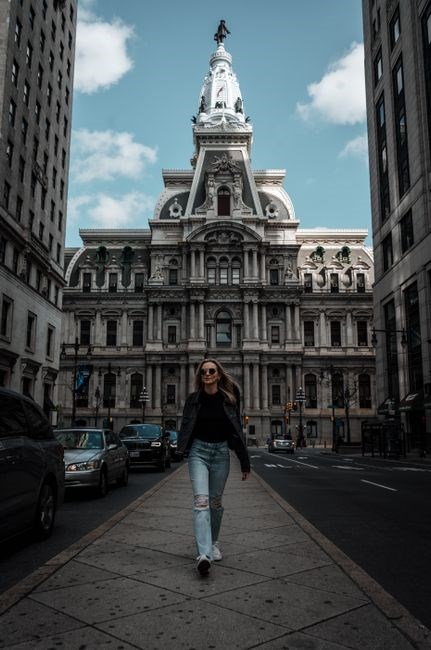
Highlighting Cultural Landmarks on the Map
The PDF spotlights Henry Ossawa Tanner’s legacy, the Christian Street YMCA where Wilt Chamberlain began, and Laura Wheeler Waring’s portraits of W.E.B. DuBois and Marian Anderson. Each landmark is annotated with concise history and visual cues. The map also links to nearby museums and cafés shops.!!
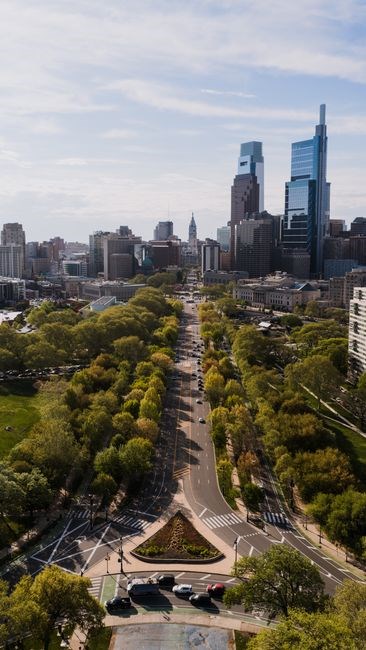
Henry Ossawa Tanner and the Christian Street YMCA
Henry Ossawa Tanner (1859‑1937) was a pioneering African‑American painter whose career bridged the late 19th and early 20th centuries. Born in Nashville, he moved to Philadelphia in 1882, where the city’s vibrant community nurtured his talent. Tanner’s early work, influenced by realism and the Barbizon school, evolved into a luminous, spiritually resonant style that earned him international acclaim. His celebrated pieces—Banjo Lesson (1893) and Angel of Resurrection (1899)—demonstrate mastery of light and composition.
The Christian Street YMCA, at 1220 Christian Street, was a cultural hub for African‑American residents and artists during Tanner’s Philadelphia years. The building’s brick façade and modest interior welcomed young men seeking education and community support. Tanner’s association with the YMCA is documented in local archives, showing he used the space for informal study sessions and sketching. The YMCA’s mission to promote wholesome living aligned with Tanner’s values of discipline, faith, and artistic integrity.
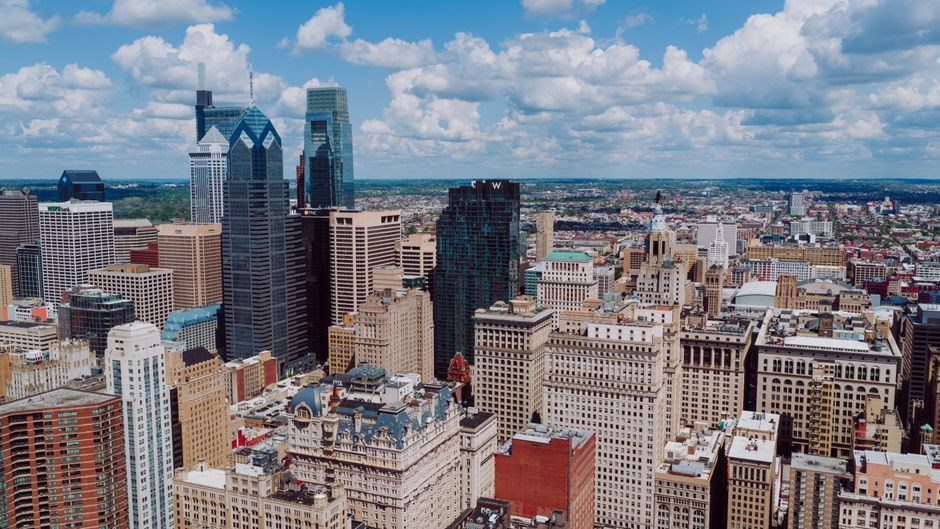
Today, the Christian Street YMCA stands as a testament to Philadelphia’s rich heritage. Visitors can view the building’s exterior, learn about Tanner’s formative years, and reflect on how the YMCA’s inclusive environment fostered the growth of an artist who shaped American art history. The map’s interactive features let users access audio commentary, historical photographs, and curated anecdotes that bring Tanner’s story to life!!!!!
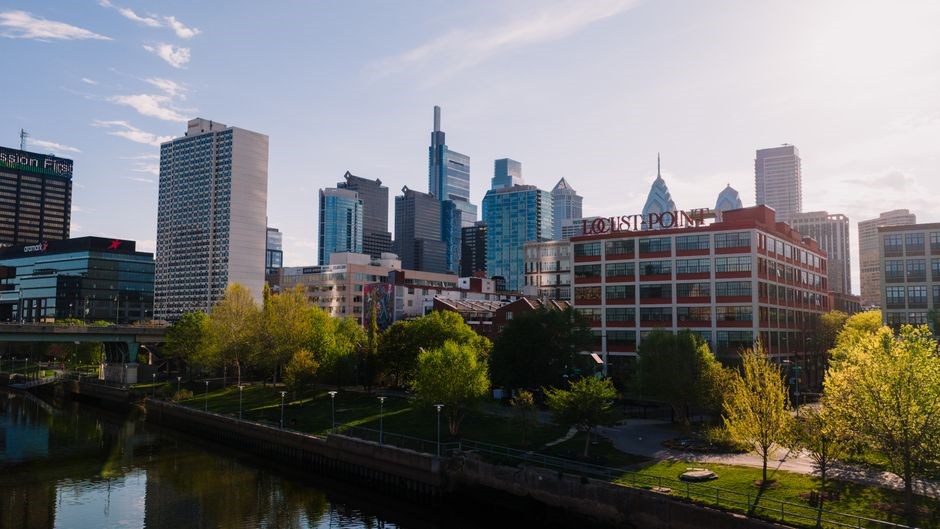
Laura Wheeler Waring’s Portraits and W.E.B. DuBois
Laura Wheeler Waring (1889‑1976) emerged as a leading African‑American portraitist of the early 20th century. Born in Philadelphia, she studied at the Pennsylvania Academy of the Fine Arts, where she honed a distinctive style that blended realism with a lyrical sensitivity to light and texture. Waring’s work is noted for its dignified representation of her subjects, capturing both likeness and inner spirit.
Among her most iconic commissions was a portrait of W.E.B. DuBois, the influential sociologist, writer, and civil‑rights activist. DuBois, a native of Montgomery County, Pennsylvania, was a leading voice in the Harlem Renaissance and a co‑founder of the National Association for the Advancement of Colored People (NAACP). Waring’s depiction of DuBois, painted in 1935, is housed in the DuBois Museum in Montgomery County and is considered a seminal piece that reflects the intellectual vigor of the era. The portrait captures DuBois in contemplative repose, his gaze steady, his posture conveying both authority and humility.
Waring’s relationship with DuBois extended beyond the canvas. The artist and the scholar shared a mutual respect for the power of visual and written narratives to challenge prevailing racial stereotypes. Their collaboration is documented in correspondence that reveals a dialogue about representation, identity, and the role of art in social change. The portrait, now an integral part of Philadelphia’s cultural map, is accessible to visitors via the city’s walking tour PDF, which provides audio commentary and historical context for those exploring the city’s rich African‑American heritage.
Beyond DuBois, Waring painted numerous portraits of prominent African‑American figures, including Marian Anderson, the celebrated contralto, and philanthropist Mary Church Terrell. Her technique combined oil on canvas with a meticulous layering process, allowing subtle gradations of color that brought her subjects to life. Waring’s legacy is preserved in the Philadelphia Museum of Art and the National Portrait Gallery, where her works continue to inspire new generations of artists and historians. The walking tour PDF highlights Waring’s studio location, the original gallery where her works were first exhibited, and offers downloadable high‑resolution images for educational use. By integrating Waring’s story into the city’s walking routes, the map encourages visitors to reflect on the intersection of art, activism, and community in Philadelphia’s evolving narrative.
Explore the map’s interactive markers for each portrait site, complete with QR codes linking to virtual tours.
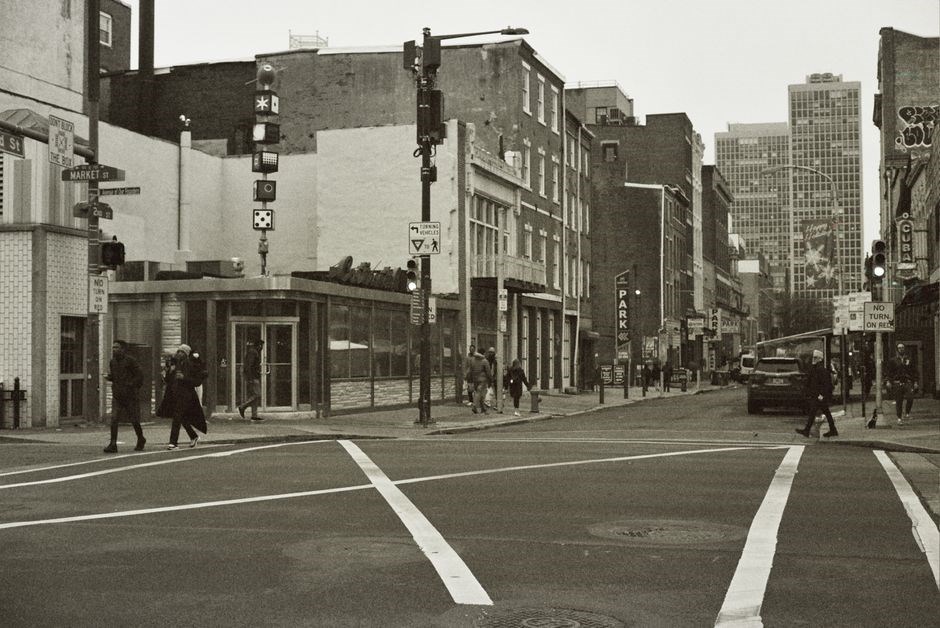
Neighborhood‑Specific Tours and Museums
Explore neighborhood‑specific tours in Philadelphia, highlighting historic sites, local museums, and cultural landmarks. The PDF map details routes through Center City, Old City, and beyond, offering insights into architecture, art, and community history. Audio guides add historical context to stops!
Center City Firehouses & Firemans Hall Museum
Located in a renovated 1898 firehouse, the Firemans Hall Museum offers a unique glimpse into Philadelphia’s firefighting heritage. The museum showcases antique fire engines, uniforms, and historical artifacts that chronicle the evolution of fire safety in the city. Visitors can explore interactive exhibits, learn about the heroic efforts of volunteer firefighters, discover how the city’s fire departments have adapted to technological advances over the past century. The museum’s collection includes rare photographs, original firehouse blueprints, and personal stories from long‑time firefighters. In addition to the permanent displays, the museum hosts rotating exhibitions that highlight significant moments in the city’s history, such as the Great Fire of 1900 and the development of modern fire suppression systems. The building itself is a historic landmark, featuring original brickwork, a preserved bell tower, and a restored firehouse kitchen that once served the crew. Educational programs are offered for school groups and community members, including guided tours, hands‑on activities, and lectures by fire historians. The museum’s volunteer staff is dedicated to preserving the legacy of Philadelphia’s fire service and ensuring that future generations understand the importance of fire safety and community resilience. Whether you’re a history enthusiast, a local resident, or a curious traveler, the Firemans Hall Museum provides an engaging and informative experience that celebrates the bravery and dedication of the city’s firefighters.
Paul Robeson House and Other Historic Sites
Paul Robeson House, located at 4951 Walnut Street in Philadelphia, stands as a testament to the life and legacy of the celebrated singer, actor, and civil rights activist. The house, preserved as a museum, offers visitors an intimate look at Robeson’s personal life, his artistic achievements, and his unwavering commitment to social justice. Inside, the museum displays original furnishings, photographs, and personal artifacts that chronicle his journey from a young prodigy to an international icon. Guided tours highlight the architectural features of the early 20th‑century home, including its distinctive brick façade, original woodwork, and the modest study where Robeson penned many of his speeches. Beyond the house itself, the surrounding neighborhood hosts several other historic sites that enrich the walking tour experience. The nearby Walnut Street Theatre, one of the oldest continuously operating theaters in the United States, showcases a rich theatrical history that parallels Robeson’s own stage career. Adjacent to the theater, the historic St. John’s Chapel offers a glimpse into the religious and cultural life of early Philadelphians. Further along the route, the former site of the 19th‑century Walnut Street School, now a community center, reflects the city’s evolving educational landscape. Each of these landmarks, while distinct, collectively weave a narrative of Philadelphia’s cultural and social evolution, providing visitors with a deeper understanding of the city’s heritage and the figures who shaped it. Enjoy.
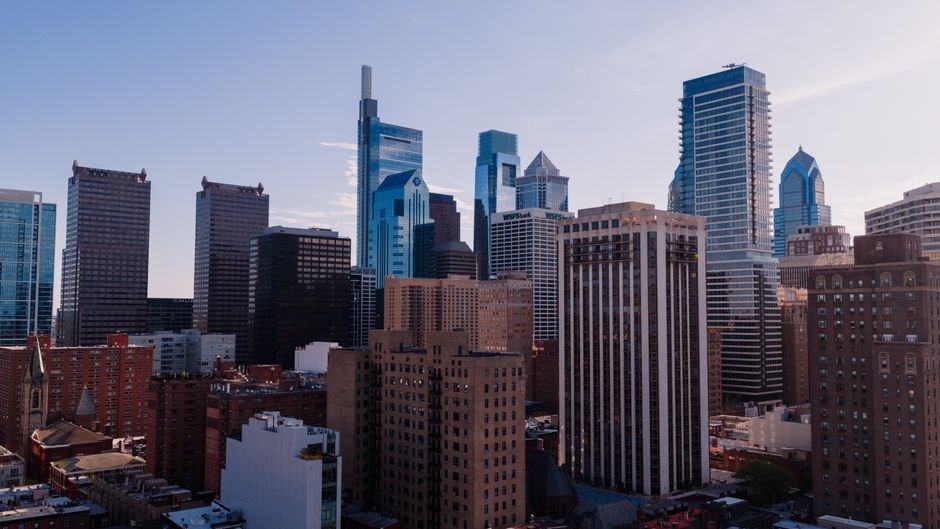
Interactive and Audio‑Guided Options
Philadelphia Old City Walking Tour Audio Guide
The Philadelphia Old City Walking Tour Audio Guide offers a curated, self‑paced audio experience that highlights the heart of Philadelphia’s historic district. By selecting key attractions—such as Independence Hall, the Liberty Bell, and the historic cobblestone streets—users receive a custom route that syncs narration with each landmark. The guide’s concise, engaging commentary covers the district’s founding moments, architectural evolution, and the stories of influential figures who shaped the city. Users can download the audio files to their mobile devices or use the integrated player within the PDF map for a seamless walk. Features include adjustable playback speed, pause, and replay options, allowing visitors to absorb details at their own rhythm. The guide also points out nearby cafés, galleries, and rest stops, ensuring a comfortable and culturally rich experience. Whether you’re a history buff, a casual tourist, or a local looking to rediscover Old City, this audio guide transforms a simple stroll into an educational adventure. Download the PDF map, launch the audio, and let the city’s voices guide you through its storied streets, one landmark at a time. Enjoy the blend of history, technology, and exploration—all in one convenient package. Whether you’re a first‑time visitor or a seasoned scholar, the guide’s thoughtful design ensures that every step feels like a lesson in urban storytelling, inviting you to pause, reflect, and share a moment of discovery with wanderers along the way. today!