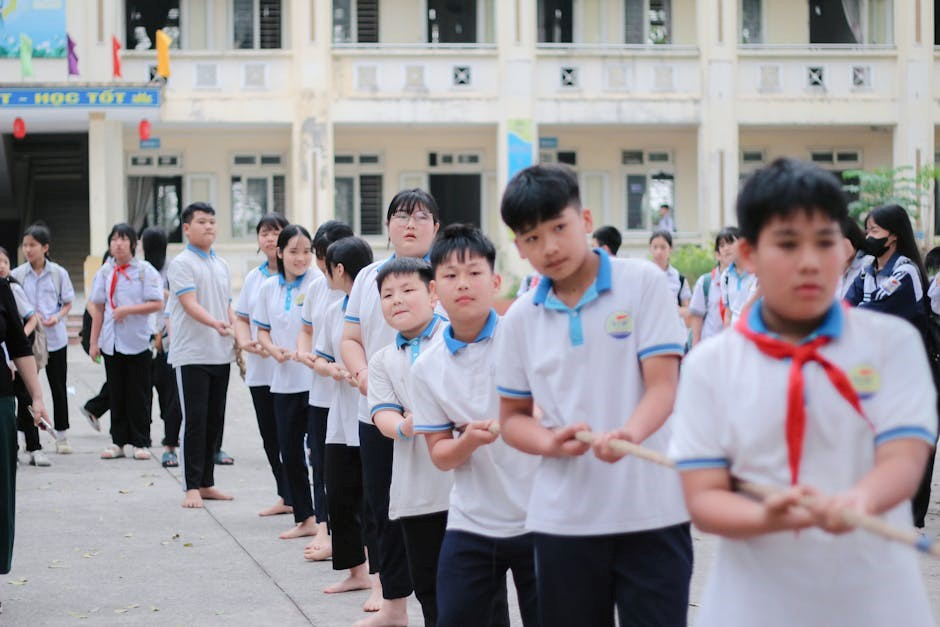
Team-building exercises, like the “Snowball” or “Tower of Cups,” foster collaboration and communication, crucial for high school success․ Printable PDFs offer diverse activity options․
These activities, often centered around compound lifts and strategic challenges, enhance problem-solving skills and build collective identity within student groups․
Why Team-Building is Crucial in High School
Team-building isn’t merely recreational; it’s foundational for high school students’ development․ Adolescence is a period of intense social and emotional growth, demanding honed interpersonal skills․ Activities like “Two Truths and a Lie” or physical challenges, such as the “Human Knot,” cultivate trust and effective communication․
These experiences move beyond academics, preparing students for collaborative environments they’ll encounter in college and careers․ A structured approach, utilizing readily available PDFs with games like “Human Bingo,” can systematically address communication barriers․
Furthermore, the “Lost at Sea” scenario, for example, teaches prioritization and decision-making under pressure – skills vital for navigating real-life complexities․ The benefits extend to increased self-awareness and a stronger sense of community within the school․
Benefits of Team-Building Activities
Team-building activities yield substantial benefits for high school students, extending far beyond simple enjoyment․ Exercises like the “Egg Drop Challenge” promote innovative problem-solving and collaborative engineering skills․ Printable PDFs offer a wealth of options, catering to diverse learning styles and group dynamics․
These activities demonstrably improve communication, as seen in “Blind Drawing,” where clear verbal instruction is paramount․ They also foster leadership qualities, allowing students to take initiative and guide their peers․
Moreover, activities like “Scavenger Hunts” encourage exploration and strategic thinking, while energetic options like “Team Ball Pass” enhance coordination and speed․ Ultimately, these experiences build stronger relationships and a more cohesive school environment․
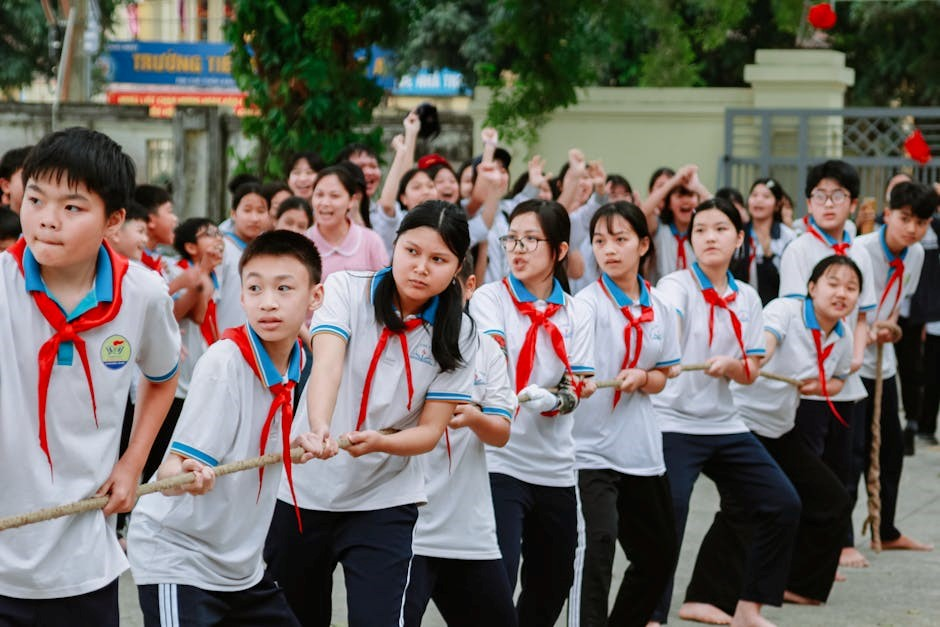
Icebreaker Activities
Icebreaker games, such as “Two Truths and a Lie” or “Human Bingo,” quickly build rapport․ Printable PDFs provide easy-to-implement options for fostering initial connections․
The “Snowball” Activity: A Low-Pressure Sharing Exercise
The “Snowball” activity is an excellent icebreaker, particularly effective for freshman students who may be hesitant to share directly․ Students initially write an answer to a lighthearted question – for example, “What’s your favorite Marvel movie and why?” – on a piece of paper․
Next, these papers are crumpled into “snowballs” and tossed gently around the room, creating a fun, energetic atmosphere․ Each student then retrieves a random “snowball,” unfolds it, and shares the answer written on the paper with a partner․
This indirect sharing method alleviates pressure, as students aren’t revealing their own opinions initially․ Printable instructions and question prompts are readily available in many team-building PDF resources, making preparation simple․ It’s a fantastic way to encourage participation and build a comfortable classroom environment․
Two Truths and a Lie: Encouraging Interaction and Deduction
Two Truths and a Lie is a classic team-building game that promotes interaction and critical thinking․ Each student shares three “facts” about themselves – two true statements and one lie․ The rest of the group must then deduce which statement is false․
This activity encourages active listening, questioning, and observation skills․ It’s a low-stakes way for students to learn about each other and build rapport․ The game fosters a sense of curiosity and playful competition within the group․
Many team-building activity PDFs include variations and suggested prompts to tailor the game to different age groups and interests․ It’s easily adaptable and requires minimal preparation, making it a versatile choice for high school classrooms․
Human Bingo: Discovering Common Ground
Human Bingo is a dynamic icebreaker designed to help students discover shared interests and experiences․ Participants receive a bingo card with squares like “Has traveled to another country” or “Plays a musical instrument․” They mingle and find classmates who fit the descriptions, getting their squares signed․
This activity encourages students to interact with peers they might not normally approach, fostering inclusivity and a sense of community․ It’s a fun way to break down barriers and identify commonalities․ Printable bingo cards are readily available in many team-building PDFs․
Human Bingo promotes active listening and communication skills, as students must ask questions to find matching classmates․ It’s a lighthearted activity suitable for various group sizes and can be easily adapted to specific themes or topics․
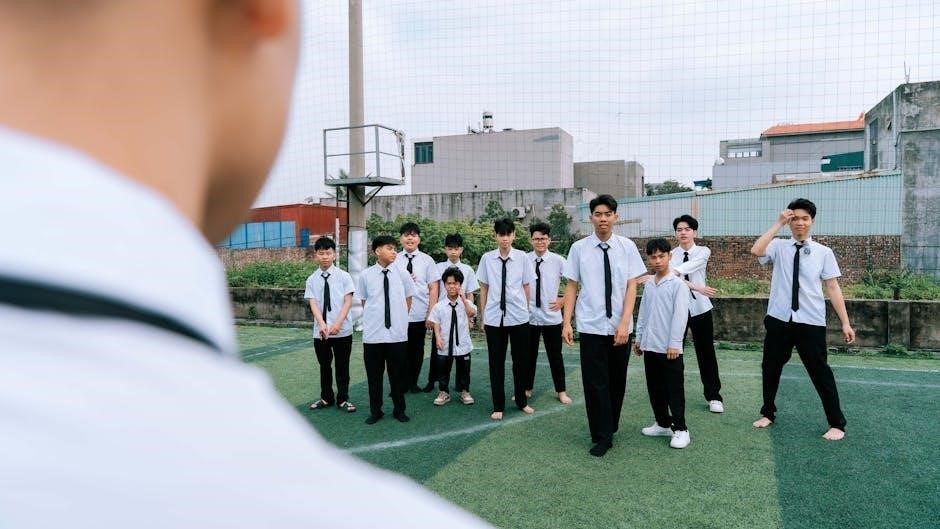
Communication-Focused Activities
Activities like “Blind Drawing” and “Lost at Sea” emphasize clear verbal exchange and active listening․ Printable PDFs provide structured exercises for improved high school communication․
Blind Drawing: Enhancing Verbal Communication Skills
Blind Drawing is a fantastic activity to hone verbal communication within a high school setting․ Participants work in pairs; one student describes an image without explicitly naming it, while the other attempts to recreate it solely based on the verbal instructions․
This exercise forces the “describer” to be precise and thoughtful in their language, avoiding assumptions about shared knowledge․ The “drawer” must actively listen and ask clarifying questions․ Printable PDFs often include various image options for different skill levels․
The resulting drawings are rarely perfect, but the discrepancies highlight communication breakdowns and areas for improvement․ It’s a low-pressure, engaging way to demonstrate the importance of clear and concise messaging, fostering better teamwork and understanding․
Lost at Sea: Prioritization and Collaborative Decision-Making
Lost at Sea presents a compelling scenario: students, as a team, are shipwrecked and must prioritize salvaged items for survival․ They receive a list of 15 items and, individually, rank them in order of importance․ The core of the activity lies in the collaborative phase – reaching a consensus ranking as a group․
This exercise powerfully demonstrates the challenges of group decision-making, requiring negotiation, compromise, and active listening․ Printable PDFs provide the item list and scoring guidelines․ It highlights differing perspectives and the need to justify choices with logical reasoning․
The activity isn’t about finding the “right” answer, but about the process of collaborative prioritization and understanding the rationale behind each team member’s viewpoint, building crucial teamwork skills․
Tower of Cups: Collaborative Problem-Solving
Tower of Cups is a classic team-building challenge where students work together to construct the tallest freestanding tower possible using only plastic cups․ The constraint – no tape, glue, or other adhesives – forces creative problem-solving and strategic planning․ Teams must quickly assess structural integrity and adapt their approach as the tower grows․
This activity emphasizes communication, delegation, and shared responsibility․ Printable PDFs often include variations, such as time limits or restrictions on cup manipulation․ It’s a tangible demonstration of how collective effort and innovative thinking can overcome limitations․
Success hinges on a team’s ability to coordinate actions, learn from failures, and build upon each other’s ideas, fostering a collaborative spirit and a shared sense of accomplishment․
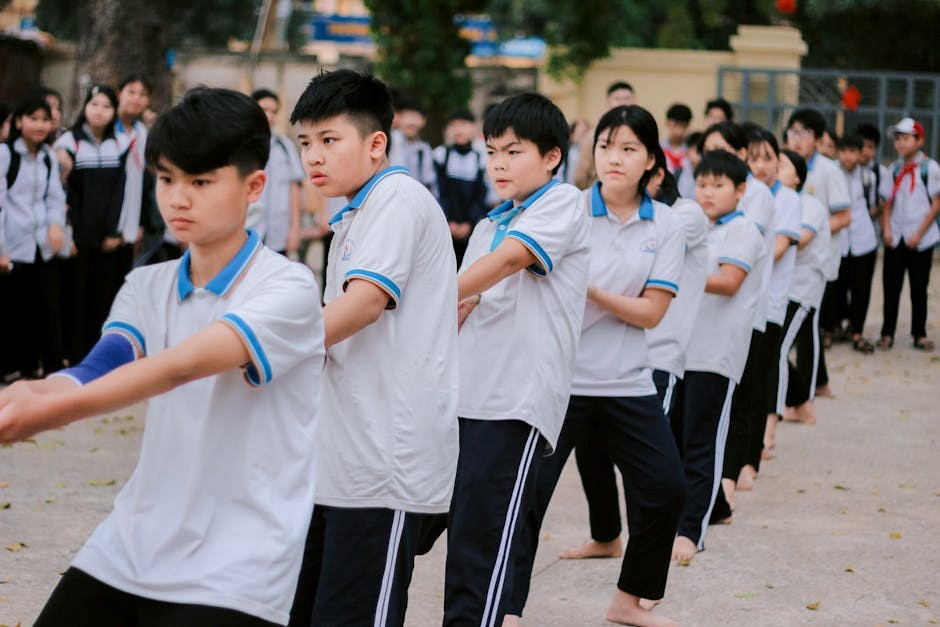
Problem-Solving & Strategic Activities
Strategic challenges like Escape Rooms and Scavenger Hunts, detailed in downloadable PDFs, cultivate critical thinking and teamwork, essential for high school students’ growth․
Escape Room Challenges: Fostering Critical Thinking
Escape Rooms present an immersive, engaging experience where high school students collaborate to solve puzzles and decipher clues under time constraints․ Many printable PDF resources offer pre-designed escape room scenarios adaptable for classroom use, requiring minimal preparation․
These challenges demand logical reasoning, creative problem-solving, and effective communication – skills vital for academic success and future careers․ Students must analyze information, identify patterns, and work cohesively as a team to “escape․” The inherent pressure encourages quick thinking and decisive action․
Successfully navigating an escape room builds confidence and reinforces the importance of diverse perspectives․ Downloadable PDFs often include varying difficulty levels, catering to different age groups and skill sets within the high school environment․
Scavenger Hunts: Promoting Teamwork and Exploration
Scavenger Hunts are a dynamic team-building activity, encouraging high school students to collaborate while exploring their surroundings․ Numerous free PDF templates online provide customizable hunt lists, ranging from campus-based challenges to broader community explorations․
These hunts necessitate strategic planning, delegation of tasks, and clear communication to efficiently locate items or solve riddles․ They foster a sense of shared purpose and accomplishment as teams race against the clock․ The activity promotes observation skills and attention to detail, enhancing critical thinking abilities․
Adaptable for various group sizes and locations, scavenger hunts can be tailored to specific learning objectives․ Printable PDFs often include themed hunts, adding an extra layer of engagement and fun for high school participants․
The Egg Drop Challenge: Engineering and Collaboration
The Egg Drop Challenge is a classic team-building activity, demanding high school students to engineer a protective structure for a raw egg․ Teams collaborate to design and build a contraption that can withstand a drop from a specified height, utilizing limited materials – often found in readily available PDF resource lists․
This challenge fosters creativity, problem-solving skills, and a deep understanding of physics principles․ It necessitates careful planning, resource management, and iterative design improvements․ Communication is key as teams brainstorm ideas, test prototypes, and refine their designs․
Printable PDFs often provide guidelines, material lists, and scoring rubrics, enhancing the educational value․ The thrill of successfully protecting the egg promotes a strong sense of accomplishment and teamwork․
Physical & Energetic Activities
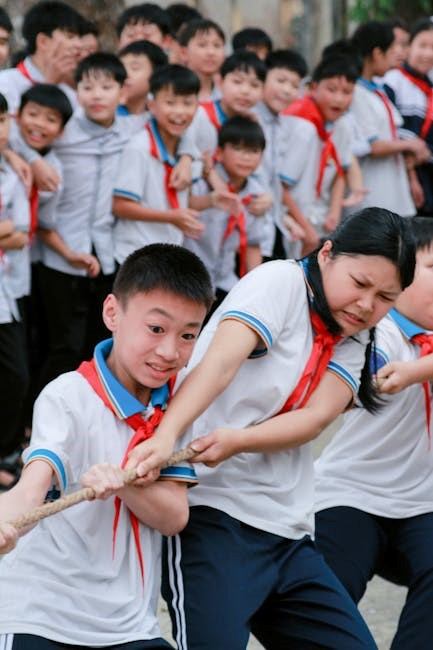
Activities like the “Human Knot” and “Team Ball Pass” boost coordination and energy․ Printable PDFs detail rules for these games, promoting high school teamwork․
Human Knot: Untangling Communication and Cooperation
The Human Knot is a classic team-building activity perfect for high school students, readily available in numerous team-building activities for high school students PDF resources․ Participants stand in a circle, close their eyes, and reach across to grab two different hands․ The challenge? Untangle the “knot” without letting go, fostering communication and problem-solving․
This activity demands verbal direction, patience, and collaborative effort․ It highlights the importance of clear communication, active listening, and understanding different perspectives․ Often, initial attempts are chaotic, but through trial and error, teams learn to strategize and work together․ Printable instructions often include variations for different group sizes and skill levels․ It’s a fantastic way to observe team dynamics and encourage leadership;
Safety is paramount; ensure ample space and a soft surface․ The activity promotes trust and builds a sense of shared accomplishment when the knot is finally untangled!
Team Ball Pass: Coordination and Speed
Team Ball Pass, frequently found in team-building activities for high school students PDF guides, is a dynamic exercise focusing on coordination, speed, and non-verbal communication․ Teams form a circle and attempt to pass a ball around as quickly as possible, utilizing specific passing rules – often under legs or over heads․
This activity encourages focused attention, precise movements, and a heightened awareness of teammates’ positions․ It’s a surprisingly challenging task that reveals how well a team can synchronize their actions․ Variations can increase difficulty, like adding multiple balls or imposing a time limit․ The competitive element motivates participation and fosters a sense of urgency․
Ensure a safe, open space to prevent collisions․ This activity is easily adaptable for varying group sizes and skill levels, making it a versatile choice for high school groups․
Obstacle Course: Overcoming Challenges Together
Obstacle Courses, a staple in many team-building activities for high school students PDF resources, present a series of physical and mental challenges requiring collaborative problem-solving․ Teams navigate the course, assisting each other to overcome hurdles like crawling under nets, scaling walls (safely!), or solving puzzles along the way․
This activity emphasizes communication, trust, and shared responsibility․ Success isn’t about individual speed, but about how effectively the team supports its members․ Careful planning and strategic delegation are key․ The course can be adapted to utilize available space and resources, from gym equipment to outdoor terrain․
Prioritize safety with clear instructions and supervision․ This fosters resilience and demonstrates the power of collective effort, mirroring real-world challenges․
Creative & Artistic Activities
Artistic endeavors, like mural painting or storytelling chains, found in team-building activities for high school students PDF guides, unlock spontaneity and collective expression․
These foster adaptability and build a shared narrative, enhancing group cohesion through imaginative collaboration․
Collaborative Mural Painting: Expressing Collective Identity
Collaborative mural painting is a powerful team-building activity, often detailed in team-building activities for high school students PDF resources․ This activity transcends individual artistic skill, focusing instead on shared vision and execution;
Divide students into groups and assign a section of a large canvas or wall․ Provide a unifying theme – perhaps school spirit, a current event, or an abstract concept․ Encourage brainstorming and sketching before applying paint․ The goal isn’t artistic perfection, but rather the process of negotiation, compromise, and collective decision-making․
Each group’s contribution should seamlessly blend with the others, creating a cohesive whole․ This visually represents the power of teamwork and the beauty of diverse perspectives․ The finished mural serves as a lasting symbol of their shared identity and accomplishment, fostering a sense of pride and belonging․
Storytelling Chain: Building Narrative Together
Storytelling Chain, frequently found within team-building activities for high school students PDF guides, is a dynamic exercise promoting creativity and active listening․ Begin with a single sentence, initiating a narrative thread․ Each student then adds a sentence, building upon the previous contribution, creating a spontaneous and often hilarious story․
This activity encourages quick thinking, adaptability, and the ability to integrate diverse ideas․ It’s crucial to establish ground rules – perhaps limiting sentence length or introducing character constraints – to maintain focus․ The unpredictable nature of the story fosters a relaxed atmosphere, reducing inhibitions and encouraging participation․
The final product, a collaboratively constructed narrative, demonstrates the power of collective imagination and the importance of building upon each other’s ideas․ It’s a fun and engaging way to strengthen communication skills․
Improvisation Games: Spontaneity and Adaptability
Improvisation games, readily available in team-building activities for high school students PDF resources, are excellent for developing quick thinking and adaptability․ These exercises challenge students to react instantly to unexpected scenarios, fostering spontaneity and reducing self-consciousness․
Common games include “Yes, And…” where participants build upon each other’s statements, and scene work with limited preparation․ These activities demand active listening, collaboration, and the willingness to embrace failure as a learning opportunity․ The focus isn’t on perfection, but on supporting teammates and contributing to a shared experience․
Improvisation builds confidence, enhances communication skills, and encourages creative problem-solving – valuable assets both inside and outside the classroom․ They are a high-energy, engaging way to promote teamwork․

Debriefing & Reflection
Post-activity discussions, often guided by questions in team-building PDFs, analyze dynamics, identify strengths/weaknesses, and apply lessons to real-life scenarios․
Post-Activity Discussion: Analyzing Team Dynamics
Following each team-building exercise, a structured discussion is paramount․ Utilize guiding questions – often found within comprehensive team-building activities PDFs – to facilitate insightful analysis․ Encourage students to reflect on their roles, observing how communication patterns emerged and impacted outcomes․
Explore instances of effective collaboration versus areas needing improvement․ Did certain individuals naturally assume leadership? How did the group handle disagreements or conflicting ideas? Were all voices heard and valued? Analyzing these dynamics, referencing observations during the activity, provides valuable self-awareness․
Furthermore, discuss how the team adapted to challenges and whether strategies were adjusted effectively․ This reflective process, supported by PDF resources, transforms a simple game into a powerful learning experience, fostering stronger interpersonal skills․
Identifying Strengths and Weaknesses
Following the post-activity discussion, guide students to pinpoint individual and collective strengths․ Team-building activities PDFs often include self-assessment prompts․ Encourage honest self-reflection: What skills did you contribute effectively? Where did you excel in collaboration? Recognizing these strengths builds confidence and reinforces positive behaviors․
Simultaneously, facilitate a constructive exploration of weaknesses․ This isn’t about blame, but identifying areas for growth․ Were there communication breakdowns? Did anyone struggle with prioritization, as seen in “Lost at Sea”? Identifying these areas allows for targeted improvement․
Emphasize that acknowledging weaknesses is a sign of maturity and a crucial step towards becoming a more effective team member․ PDF resources can offer strategies for addressing identified shortcomings․
Applying Lessons Learned to Real-Life Scenarios
The true value of team-building extends beyond the activity itself․ Facilitate a discussion connecting the experience to real-world situations – academic projects, extracurricular activities, or even future careers․ How does improved communication, honed during “Blind Drawing,” translate to group assignments?
Consider scenarios requiring prioritization, mirroring the “Lost at Sea” challenge․ Team-building activities PDFs often suggest prompts for this application․ Encourage students to identify how strategies used during the exercise could resolve conflicts or enhance collaboration in everyday life․
Emphasize that the skills developed – problem-solving, leadership, adaptability – are transferable and highly valued․ This reinforces the importance of active participation and thoughtful reflection․
Adapting Activities for Different Group Sizes
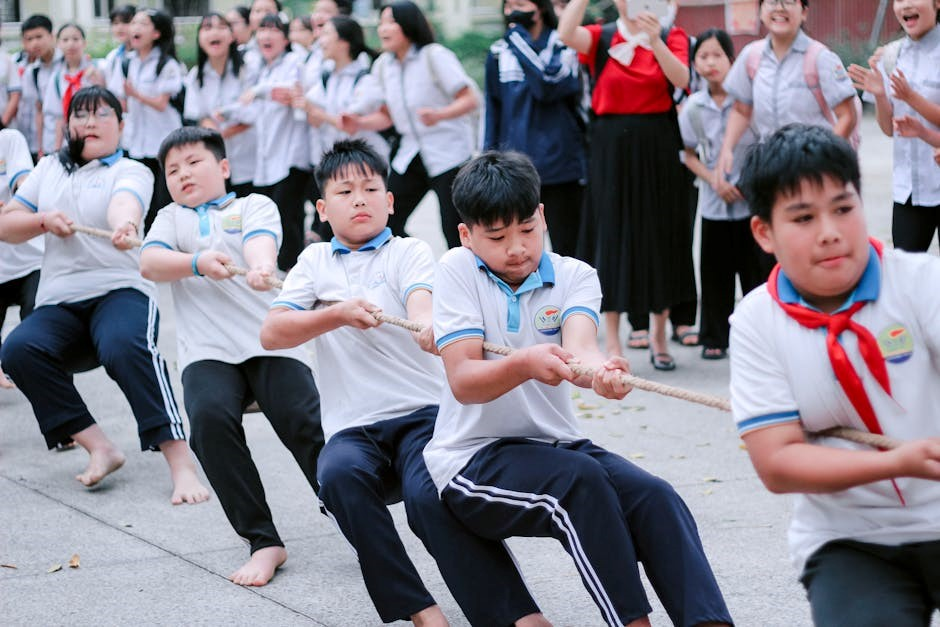
PDF resources offer scalable team-building options; “Human Knot” suits smaller groups, while “Scavenger Hunts” thrive with larger ones, ensuring inclusive participation․
Adjust complexity based on numbers․
Small Group Activities (5-10 Students)
Small groups excel with focused, intimate activities․ “Two Truths and a Lie” encourages quick interaction and deduction, perfect for breaking the ice․ The “Blind Drawing” exercise, detailed in many PDF guides, sharpens verbal communication as one student describes an image while others attempt to recreate it;
Consider a modified “Egg Drop Challenge” with limited materials, fostering concentrated collaboration․ These activities prioritize individual contributions within a supportive framework․ “Human Bingo” also works well, prompting students to discover shared interests․ Remember to debrief, analyzing dynamics and applying lessons․ Printable resources often include variations for different skill levels, ensuring accessibility and engagement for all participants․
These exercises build trust and rapport efficiently․
Medium Group Activities (11-20 Students)
Medium-sized groups benefit from activities demanding broader participation․ “Lost at Sea,” often found in PDF team-building resources, challenges students to prioritize and collaboratively decide which items are crucial for survival․ “Tower of Cups” scales well, requiring coordinated effort to build the highest possible structure․
A simplified “Scavenger Hunt” with clues requiring teamwork to solve is effective․ Consider dividing the group into smaller teams within the larger framework for increased engagement․ “Improvisation Games” encourage spontaneity and adaptability, building confidence․ Remember to emphasize clear communication and active listening․ Printable guides often offer variations to adjust difficulty․ Post-activity discussions are vital for analyzing team dynamics and identifying areas for improvement․
These activities promote strategic thinking and shared responsibility․
Large Group Activities (20+ Students)
Large groups necessitate activities with broad involvement and minimal individual spotlight․ “Human Knot” – untangling a human chain – promotes communication and cooperation, easily scaling to larger numbers․ “Team Ball Pass,” requiring coordinated passing through legs, builds speed and coordination, found in many PDF team-building guides․
A “Collaborative Mural Painting” allows collective expression and fosters a sense of shared identity․ “Storytelling Chain,” where each person adds a sentence, builds narrative skills․ Divide the group into smaller teams for competitive elements within a larger activity, like a complex scavenger hunt․ Ensure clear instructions and designated roles․
Debriefing is crucial to address dynamics in larger settings, ensuring everyone feels heard and valued․
Resources for Team-Building Activities (PDFs & Websites)
Numerous online resources and PDFs provide printable team-building games, including variations of “Human Bingo” and “Lost at Sea” scenarios, for high school groups․
Finding Printable Team-Building Games
Locating readily available, printable team-building games for high school students is surprisingly easy with a focused online search․ Many educational websites and dedicated resource hubs offer downloadable PDFs containing a wide array of activities․ These often include detailed instructions, required materials lists, and even suggested debriefing questions․
Specifically, searching for terms like “high school team-building PDF,” “icebreaker games printable,” or “group activities for teens” will yield numerous results․ Websites specializing in youth ministry or classroom management frequently host free resources․ Consider exploring platforms like Teachers Pay Teachers, where educators share and sell their creations, often including comprehensive team-building packages․ Remember to preview any downloaded materials to ensure they align with your school’s policies and the specific needs of your students․
Furthermore, some bodybuilding forums, surprisingly, discuss routines that emphasize collaborative effort, mirroring the spirit of team-building!
Online Resources for Activity Ideas
Numerous online platforms provide a wealth of inspiration for high school team-building activities, extending beyond simple PDF downloads․ Websites dedicated to experiential learning and youth development are excellent starting points․ Consider exploring sites like “TeamBuilding․com” or “Wilderdom,” which offer extensive catalogs of games categorized by skill focus and group size․
YouTube channels specializing in education and group dynamics often showcase activity demonstrations and provide valuable implementation tips․ Pinterest boards curated around team-building themes can also spark creative ideas․ Don’t overlook the potential of online forums, where educators share their experiences and best practices․ Even unexpected sources, like bodybuilding forums discussing routines emphasizing effort, can inspire collaborative thinking․
Remember to critically evaluate the suitability of each activity for your students’ age, maturity level, and any specific learning objectives․
Safety Considerations for High School Team-Building
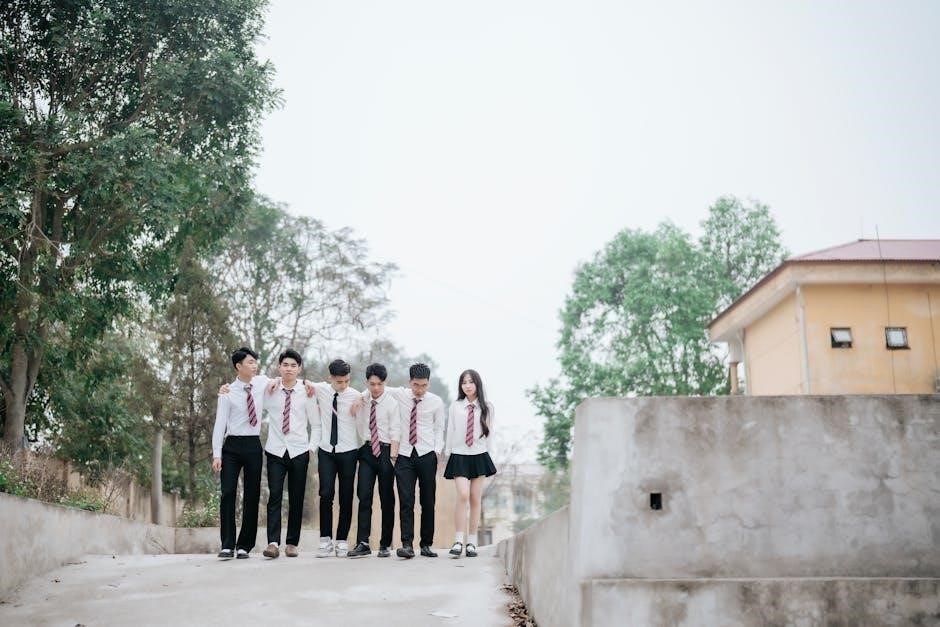
Prioritizing student safety is paramount when implementing team-building activities․ Thoroughly assess the physical environment, removing potential hazards and ensuring adequate space for movement, especially during energetic games like “Team Ball Pass” or “Human Knot․” Clearly communicate activity rules and expectations, emphasizing respectful interaction and appropriate physical contact․
For physically demanding challenges, such as the “Obstacle Course” or “Egg Drop Challenge,” provide appropriate supervision and ensure students are aware of their physical limitations․ Be mindful of any student allergies or medical conditions, and have a plan for addressing emergencies․ PDF resources often include safety checklists; utilize them!
Activities involving projectiles, like the “Snowball” fight, require clear boundaries and guidelines to prevent injuries․ Always debrief after activities, discussing any safety concerns and reinforcing responsible behavior․